[CNBC인터뷰] "해상보험료는 계속 오를 것" - 이대진 리서치 총괄이사
"해상보험료는 계속 오를 것, 해군호위로는 근본적인 문제를 해결하지는 못한다" 이대진, CNBC인터뷰에서수 있지만 입항 선박에는 효과가 제한적이며, 근본적인 문제를 해결하지는 못한다고 설명
![[CNBC인터뷰] "해상보험료는 계속 오를 것" - 이대진 리서치 총괄이사](https://storage.ghost.io/c/3c/24/3c24ab10-88e9-45e5-a1b8-c5557f464beb/content/images/size/w1200/2026/08/cnbc.jpg)
호르무즈 해협 위기: CNBC 인터뷰 핵심 내용
"해상보험료는 계속 오를 것, 해군호위로는 근본적인 문제를 해결하지는 못한다" 이대진, CNBC인터뷰에서수 있지만 입항 선박에는 효과가 제한적이며, 근본적인 문제를 해결하지는 못한다고 설명
이대진 리서치 총괄 이사는 호르무즈 해협의 위협과 오만 및 홍해 해역 통항 시 추가로 부과되는 보험료로 인해, 걸프 지역 선박에 대한 전쟁 보험 비용이 “전례 없는 수준”에 도달했다고 밝혔다. 또한 그는 호르무즈 해협을 통과하는 선박에 대한 미 해군의 호위 가능성에 대해, 이는 출항 선박에는 일부 도움이 될 수 있지만 입항 선박에는 효과가 제한적이며, 근본적인 문제를 해결하지는 못한다고 설명했다.
호르무즈 해협 위기: CNBC 인터뷰 핵심 내용
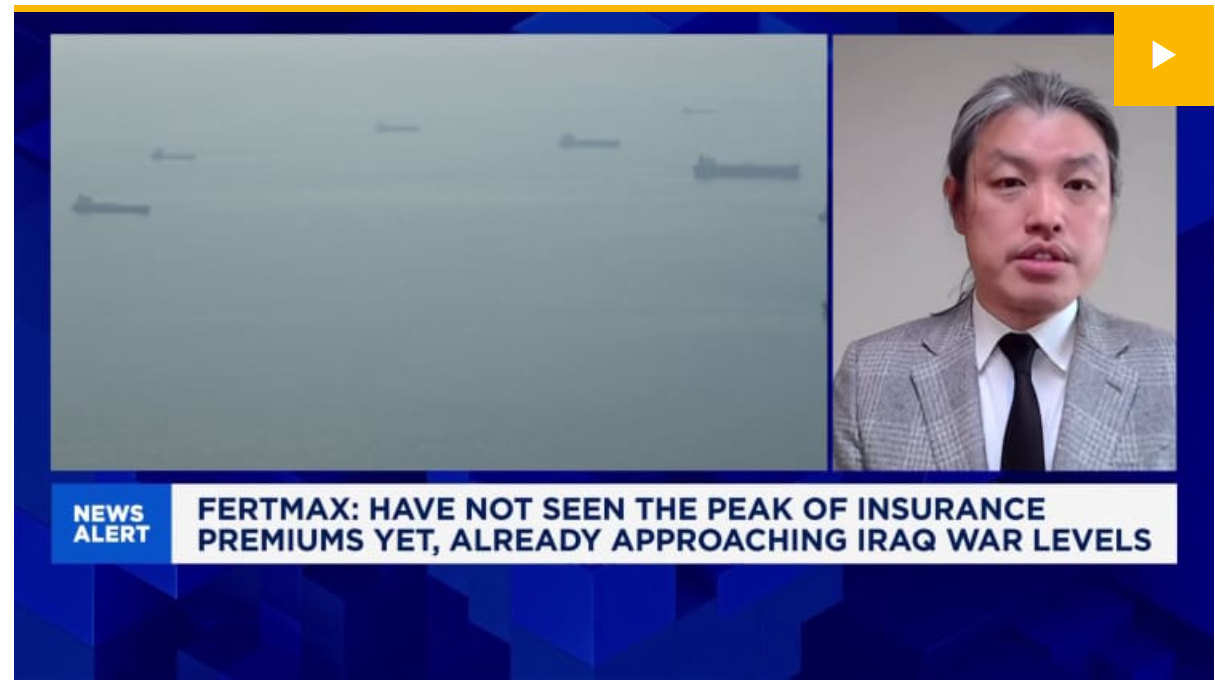
이대진, CNBC와의 생방송 인터뷰에서 (Mar 18 2026)
■ 걸프 지역에 고립된 선사들의 주요 우려
“이것은 단순한 운송 지연이 아니라, 해상 인질 상황입니다.”
현재 약 1,000척의 원양 선박이 걸프 지역에 고립되어 있으며, 약 20,000명의 선원이 승선해 있는 것으로 추정됩니다. 여기에 소형 지역 선박까지 포함하면, 최대 3,000척 이상의 선박과 40,000~50,000명의 선원이 영향을 받고 있는 상황입니다.
이는 더 이상 단순한 공급망 차질이 아닙니다. 사실상 글로벌 해상 인질 상황에 가깝습니다.
선주 관점에서는 분명한 재무적 압박이 존재합니다. 운항이 중단된 선박은 off-hire 클레임이나 유휴 비용 부담에 직면하게 되며, 일부는 체선료(demurrage)로 부분 상쇄될 수 있습니다.
그러나 더 중요한 것은 인도적 문제입니다. 선장과 선원들은 고위험 분쟁 지역에서 근무하며, 전쟁 리스크에 따른 피로, 제한된 보급, 그리고 보험 커버가 실제로 유효한지에 대한 불확실성에 직면해 있습니다.
■ 전쟁 리스크 보험 관련
“보험이 문제가 아닙니다. 문제는 선박이 실제로 공격받고 있다는 점입니다.”
보험 자체는 여전히 존재하며, 유조선 운임이 사상 최고 수준에 근접한 상황에서 이론적으로는 통항을 재개할 충분한 경제적 유인이 있습니다.
실제로 일부 선박은 선택적으로 움직이고 있습니다. 중국 및 이란 관련 선박을 비롯해, 인도·터키·사우디 관련 선박 일부도 이란의 ‘관리 통항(regulated passage)’ 체계 하에서 운항 중입니다.
그러나 전체 교통량은 전혀 회복되지 않았습니다. 호르무즈 해협 통항량은 80~90% 감소하여 하루 120~150척 수준에서 현재는 10척 미만으로 떨어졌습니다. AIS 가시성 한계를 감안하더라도 실제 물동량은 매우 낮은 수준입니다.
그 이유는 명확합니다. 보험이 존재하고 경제적 유인이 충분함에도 불구하고, 선주들은 복귀를 위해 공격이 없는 안정된 기간을 필요로 합니다.
이것은 단순한 신중함의 문제가 아니라, 승무원의 생명과 안전에 대한 매우 현실적이고 즉각적인 위협의 문제입니다.
■ 보험료 상승 전망
“보험료는 아직 정점에 도달하지 않았습니다.”
전쟁 리스크 보험료는 약 0.1~0.3% 수준에서 1~3%까지 상승했으며, 이는 몇 주 만에 5~10배 증가한
과거 2003년 이라크 전쟁 당시 약 3.5%가 최고 수준이었는데, 현재 이미 그 수준에 근접하고 있습니다.
예를 들어, 선령 10년, 약 1억 달러 규모의 VLCC의 경우 항차당 약 100만~300만 달러의 보험 비용이 발생합니다. (여기에 현재의 높은 운임은 별도)
■ 해협 호위(escort)의 실효성
“호위 중인 선박이 드론 공격을 한 번만 받아도, 그 체계 전체의 신뢰는 무너집니다.”
해군 호위는 특히 걸프 내부에 이미 진입해 있는 선박들의 걸프해협에서 탈출하는 (outbound) 흐름을 일부 개선할 수 있습니다. 그러나 걸프지역으로 진입하려는 (inbound) 흐름에 대한 영향은 제한적일 것으로 보입니다.
핵심은 신뢰성입니다. 만약 호위 중인 선박이 단 한 번이라도 공격을 받는다면, 특히 다중 드론 공격 상황에서는 보험료가 즉각 급등하고 시장 신뢰는 붕괴될 것입니다. 따라서 해군 호위는 일부 흐름을 보완할 수는 있지만, 현재와 같은 위협 수준에서는 시장을 정상화시키기에는 부족합니다.
■ 중국 및 일부 선박의 선택적 통항
“이것은 재개가 아닙니다. 선택적 통항은 정상적인 교통을 대체할 수 없습니다.”
현재 나타나는 현상은 ‘재개’가 아니라 통제된 흐름(controlled flow)입니다.
하루 10~20척이 통과한다고 하더라도 이는 정상 대비 10~20% 수준에 불과합니다. 이는 정상적인 시장이 아니라 선별된 통로(selective corridor)일 뿐입니다.
그 결과 에너지 흐름은 계속 제약되고 있으며, 유가를 높은 수준으로 유지시키고 벙커 비용을 끌어올려, 궁극적으로 전 세계적으로 매우 강한 운임 수준을 지속시키고 있습니다.
Full interview: https://www.cnbc.com/video/2026/03/18/shipping-war-risk-insurance-premiums-are-likely-to-continue-rising.html

Daejin Lee of Fertmax says that the cost of war insurance coverage for ships in the Gulf region is at “unprecedented levels” given the threats in the Strait of Hormuz and additional premiums for ships going through the areas of Oman and the Red Sea. He also says that potential U.S. Navy escorts for vessels through the Strait of Hormuz would only benefit outbound vessels and not inbound vessels as it doesn’t solve the core of the issue.
Daejin Lee at CNBC TV live interviewv (Wed, Mar 18 20265:04 AM EDT)
On main concerns for shipping companies stranded in the gulf region
“This is not a shipping delay. it's a maritime hostage situation."
We estimate around 1,000 ocean-going vessels stranded in the Gulf, with roughly 20,000 seafarers onboard. If we include smaller regional ships, that could rise to over 3,000 vessels and up to 40-50,000 crew. This is no longer just a supply chain disruption. It is effectively a global maritime hostage situation.
From a shipowner perspective, there are clear financial pressures — inactive vessels may face off-hire claims or idle time costs, unless partially offset by demurrage.
But more importantly, this is a human issue. Captains and crews are operating in a high-risk conflict zone, facing war-risk fatigue, constrained resupply, and in many cases, uncertainty over whether their insurance coverage remains valid
On war risk insurance.
"Insurance isn't the barrier. The barrier is that ships are getting hit."
Yes, insurance is available, and with crude tanker rates at record highs, the financial incentive to transit is clearly there in theory.
In fact, we are indeed seeing selective movements, including some Chinese and Iranian-linked vessels, as well as a few Indian, Turkish, and Saudi-linked ships operating under Iran’s ‘regulated passage’ system.
However, there has been no meaningful rebound in traffic. Transit through the Strait of Hormuz has effectively collapsed by 80–90%, to fewer than 10 vessels per day, down from around 120–150 pre-crisis. Even accounting for limited AIS visibility, actual volumes remain extremely low. The reason is simple, despite available insurance and strong commercial incentives, shipowners need a sustained period without attacks before they return. This is not about caution. It is about a very real and immediate security threat to crew’s life and safety.
On rising insurance premiums
"We have not seen the peak on premiums yet."
War risk premiums have surged from around 0.1–0.3% to 1–3% of vessel value or hull value, it is a five to tenfold increase in just weeks. Historically, during the Iraq War in 2003, the peak was about 3.5%, and we are already approaching that level.
For a typical $100 million, 10-year-old VLCC, that translates to roughly $1–3 million per voyage in insurance alone, before even factoring in today’s record-high freight rates
On effectiveness of escorting vessels through the strait
“One drone strike on an escorted vessel and the whole exercise loses credibility."
Naval escorts may help increase outbound traffic, particularly for vessels already inside the Gulf. But for inbound flows, the impact will likely be very limited.
The key issue is credibility, if even one escorted vessel is successfully hit, especially in a multi-drone attack scenario, premiums will spike immediately and confidence will collapse. So escorts can support flows at the margin, but they cannot normalize the market under current threat conditions
On selective transit of Chinese and other negotiated ships
“That is not a 'reopening’. Selective traffic cannot substitute for normal traffic”
What we’re seeing is not a reopening but it’s a controlled flow. Even if 10 to 20 vessels per day are moving, that is only about 10–20% of normal traffic. This is a selective corridor, not a functioning market. As a result, energy flows remain constrained, keeping oil prices elevated, pushing bunker costs higher, and ultimately sustaining very strong freight rates globally.